What size boxes are best for moving?
When preparing for a house move, one of the most common questions people ask is what size boxes are best for moving? Choosing the correct box sizes makes packing quicker, safer, and far less stressful. Using the wrong boxes often leads to broken items, wasted space, or boxes that are too heavy to lift comfortably.
This guide explains the different moving box sizes, what each size is best used for, and how to choose the right combination for a smooth and organised move.
Why Box Size Matters When Moving
Box size plays a much bigger role than most people realise. The right boxes protect your belongings, make stacking easier, and reduce the risk of injury during lifting. When boxes are the wrong size, problems quickly appear.
Large boxes packed with heavy items can split or become dangerous to carry. Small boxes used for bulky items waste space and increase the number of trips needed. Choosing suitable sizes keeps weight manageable and protects your belongings throughout the move.
Understanding Standard Moving Box Sizes
Most moving boxes fall into three main categories: small, medium, and large. Each size has a specific purpose and works best for certain household items. Understanding how to use each size correctly helps avoid damage and frustration.
Small boxes are designed for heavy items. Medium boxes offer versatility. Large boxes are best for light but bulky belongings. Using all three sizes together usually gives the best results.
Small Moving Boxes and Their Best Uses
Small boxes are compact and easy to lift. They are ideal for heavy or dense items that would become unmanageable in larger boxes.
Small boxes work best for books, tools, kitchen tins, DVDs, paperwork, and similar items. Because these items weigh more than they look, smaller boxes prevent overloading and reduce strain on your back.
Using small boxes for heavy items also helps prevent box collapse. The cardboard remains stronger when the weight is limited, keeping items secure during transport.

Medium Moving Boxes Explained
Medium boxes are the most versatile option and are often used the most during a move. They offer a good balance between space and weight, making them suitable for many household belongings.
Medium boxes are ideal for pots and pans, small appliances, toys, bathroom items, food containers, and general household goods. They are large enough to hold a variety of items but still easy to carry when packed properly.
Most people find that medium boxes make up the bulk of their packing supplies. They are practical for both fragile and non-fragile items when packed carefully.
Large Moving Boxes and When to Use Them
Large boxes are designed for bulky but lightweight items. These boxes provide plenty of space but should never be overloaded with heavy belongings.
Large boxes are best used for bedding, pillows, coats, towels, curtains, and lightweight clothing. They are also useful for soft furnishings that can be compressed without damage.
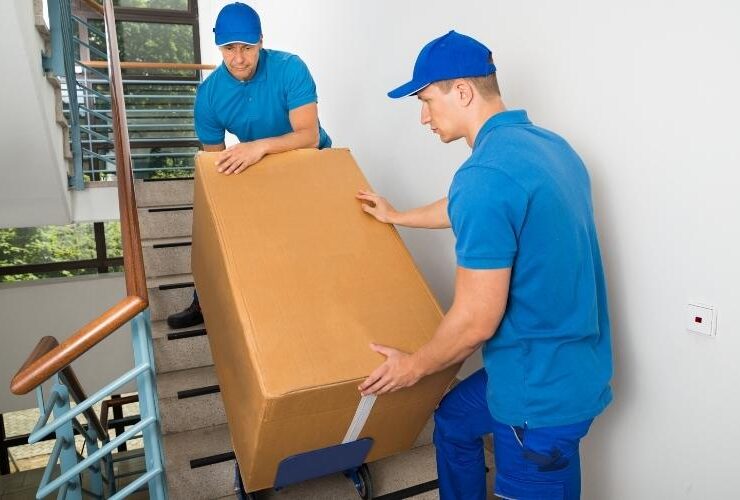
Avoid packing books, kitchenware, or tools in large boxes. Once filled with heavy items, large boxes become difficult to lift and more likely to tear or collapse.
What Size Boxes Are Best for Moving Different Rooms?
Different rooms require different packing approaches. Matching box sizes to each room makes packing more efficient and organised.
In the kitchen, small boxes are best for plates, tins, jars, and glassware. Medium boxes suit pots, pans, plastic containers, and small appliances. Large boxes are rarely suitable for kitchens due to weight and fragility.
For the living room, medium boxes work well for décor, electronics, games, and books. Large boxes are useful for cushions, throws, and lampshades. Always protect electronics with padding.
In bedrooms, large boxes are ideal for bedding, duvets, and clothing. Medium boxes work better for shoes, handbags, and accessories. Small boxes can hold jewellery boxes or heavier personal items.
Bathrooms are best packed using small or medium boxes. Toiletries, cleaning products, and bottles should be packed tightly to prevent leaks and movement.
Step-by-Step Guide to Choosing the Right Box Sizes
The first step is sorting your belongings. Separate items by weight, fragility, and size before choosing boxes. This makes it easier to match items to the right box.
Next, match weight to box size. Heavy items always go into small boxes. Lighter items can go into medium or large boxes.
Use a mix of box sizes rather than relying on one type. Most successful moves use a combination of all three sizes.
Finally, label boxes clearly with contents and destination rooms. Clear labelling speeds up unpacking and reduces confusion on moving day.
Common Packing Mistakes to Avoid
One common mistake is overfilling large boxes with heavy items. This increases the risk of injury and box damage. Another mistake is mixing fragile items with heavy objects in the same box.
Leaving empty space inside boxes is also a problem. Items can shift during transport and become damaged. Always fill gaps with soft materials like towels or clothing.
Using poor-quality or damaged cardboard is another risk. Weak boxes can collapse during lifting or stacking, causing unnecessary damage.
How Many Boxes Do You Need?
The number of boxes required depends on the size of your home, how much you own, and how efficiently you pack. As a general guide, a one-bedroom home may need around 20 to 30 boxes in mixed sizes.
A two-bedroom home may require 35 to 50 boxes, while larger homes often need more. Using the right box sizes reduces the total number needed and improves organisation.
Tips for Packing Boxes Efficiently
Pack heavy items at the bottom of boxes and lighter items on top. This keeps boxes stable and prevents crushing.
Fill empty gaps with soft materials to stop movement. Tape the bottom of boxes securely using strong packing tape.
Distribute weight evenly and avoid exceeding a comfortable lifting weight. If a box feels too heavy, repack it into smaller boxes.
Efficient packing saves time, protects belongings, and makes moving day much smoother.
Choosing Quality Moving Boxes
Quality matters when it comes to moving boxes. Strong, double-walled boxes offer better protection and stack more safely in a removal van.
Cheap or reused boxes that are damaged or damp are more likely to fail. Investing in sturdy boxes reduces the risk of breakages, especially during long-distance moves.
Good boxes also make unpacking easier, as they maintain their shape and stay sealed.

Why Box Size Affects Moving Day Efficiency
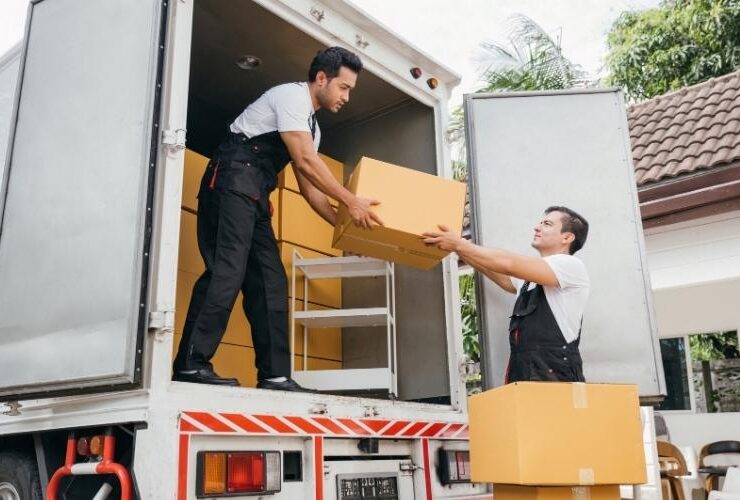
Correct box sizes stack better in the removal vehicle, reducing wasted space. This allows more efficient loading and fewer trips.
Well-sized boxes are easier to carry, speeding up loading and unloading. They also protect items from shifting during transit.
Moving day efficiency starts with smart packing decisions made well in advance.
Why Professional Advice Helps
Experienced removal companies know exactly which box sizes work best for different items. Their advice helps prevent common mistakes and protects belongings.
Professional guidance also saves time, especially for people who are moving for the first time or managing large households.
Why Choose Hilderbrands Removals and Storage
Hilderbrands Removals and Storage offers practical moving advice based on real-world experience. The team helps customers choose the right packing solutions, ensuring belongings remain safe throughout the move.
With a focus on careful handling, clear communication, and reliable service, the company supports a smooth and organised moving experience without unnecessary complications.
Moving Box Sizes and Storage Safety
Correct box sizes are also important for storage. Well-packed boxes stack safely and reduce the risk of damage during short-term or long-term storage.
Uniform box sizes make storage units easier to organise and access when needed.
Sustainable Packing Choices
Reusing sturdy boxes and choosing recyclable packing materials helps reduce waste. Sustainable packing benefits both your move and the environment.
Responsible choices do not compromise safety when quality materials are used correctly.
FAQs
1. What size boxes are best for moving?
The best boxes for moving are a mix of small, medium, and large sizes. Small boxes suit heavy items, medium boxes handle most household goods, and large boxes are ideal for light, bulky items like bedding. Using a variety of sizes keeps boxes safe and easy to lift.
2. Can I use only large boxes for moving?
Using only large boxes is not recommended. Large boxes filled with heavy items can become unsafe to lift and may break. A mix of box sizes works far better.
3. Are small boxes better for books?
Yes. Books are heavy, so small boxes prevent overloading and make carrying easier and safer.
4. How full should moving boxes be?
Boxes should be full enough to prevent movement but not overloaded. Fill empty spaces with soft items and ensure the box closes flat.
5. Do professional movers provide box advice?
Most professional movers offer guidance on box sizes and packing methods. Their experience helps protect belongings and improve moving efficiency.
Final Thoughts
If you are wondering what size boxes are best for moving, the answer lies in balance. Using the right combination of small, medium, and large boxes protects your belongings, speeds up packing, and reduces stress on moving day.
With thoughtful planning and support from experienced professionals like Hilderbrands Removals and Storage, packing becomes simpler, safer, and far more organised.
Hilderbrands Removals & Storage
Faversham: 01795 535666
Canterbury: 01227 463435
Sandwich: 01304 273087
Sittingbourne: 01795 535666