Planning Overseas Removals: A Practical Timeline
Overseas removals reward early planning more than any other kind of move. Shipping schedules, paperwork and the logistics of a family leaving one country and settling in another all take time to line up. We are a Kent family business founded in 1949, and over the decades we have helped people move to Europe and much further afield. The advice below reflects what we have learned about getting belongings to a new home abroad in good order.
Three months or more before departure
Contact us as soon as you have a likely moving window, even if dates are not fixed. One of our estimators will visit, look at everything you intend to take and talk through the choice between road, sea and air freight. This is also the time to start sorting. Shipping is usually priced on volume, so it pays to decide early what is worth sending, what to sell and what to give away.
Six to eight weeks before
Confirm your chosen method and dates, and start gathering documents. Passports, visas or residence permits, proof of address abroad and an itemised inventory are commonly needed. Requirements differ from country to country and change over time, so we always recommend checking the current rules with the destination country’s official sources as well as with us.
The final fortnight
Set aside items travelling with you in your luggage: documents, medicines, valuables, chargers and a few days’ clothing. Arrange meter readings, redirect post and close or transfer UK accounts. Our international moving checklist sets these steps out in order.
Paperwork, Customs and Inventories
Most of the worry around moving abroad is about paperwork, and that is understandable. A missing form can hold goods at a port while storage charges build up.
The inventory is your most important document
We prepare a detailed packing list that numbers every carton and describes its contents. Customs officers, shipping lines and insurers all rely on this list. Vague entries such as “miscellaneous” can lead to questions, so we describe contents clearly and you sign the list before the container or vehicle leaves.
Moving to Europe after Brexit
Since the UK left the European Union, household goods moving from the UK into an EU country go through customs. Many countries offer relief from import duty on personal belongings for people genuinely transferring their residence, but conditions apply and the application is normally made through the destination country’s customs authority. We explain the general process at the survey stage and, where needed, work with agents at the destination. Our customs clearance guide for overseas moves covers the basics in more depth.
Items that need extra thought
Plants, food, alcohol, medicines, firearms and items made from protected species can be restricted or banned in some countries. Vehicles have their own rules altogether. Tell us about anything unusual at the survey stage so we can check before it is packed.
Packing for a Long Journey
A local move might involve an hour in the van. Overseas removals can involve weeks at sea, several handling points and big swings in temperature and humidity. Packing has to reflect that.
We use export-grade cartons, heavier wrapping for furniture and, where appropriate, made-to-measure wooden cases for fragile or high-value pieces. Mirrors, artwork and glass tops can be cased rather than simply wrapped. Wardrobes are emptied and dismantled so they travel flat and stable. Our expert tips on packing for overseas removals explain what you can safely do yourself and what is better left to our team.
We generally advise against self-packing for long-haul sea freight. Customs authorities and insurers can treat owner-packed cartons differently, and a box that travels well to Canterbury may not survive being lifted in and out of a container several times.
Choosing between sea and air
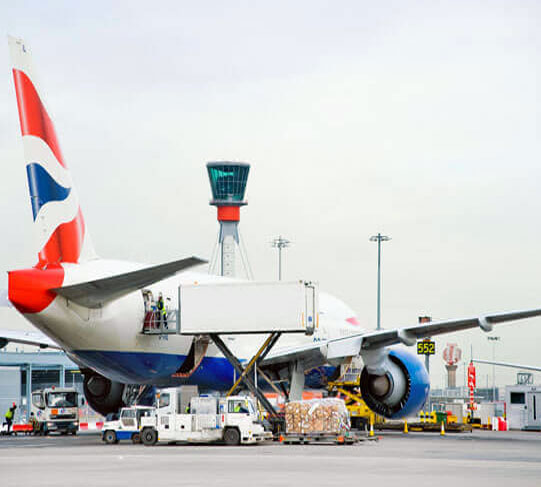
Sea freight suits furniture and the bulk of a household. Air freight is quicker but priced in a way that suits small, urgent consignments. Many families split their shipment. Our article comparing sea freight and air freight for international moves looks at the trade-offs.
Storage, Europe and Choosing the Right Mover
Dates abroad rarely line up perfectly with dates in Kent. A rental may not be ready, a purchase may be delayed or you may want to try a country for a while before shipping everything. In those cases we can collect your belongings and hold them in wooden storage containers at our secure warehouse until you are ready. Our article on international storage solutions before moving abroad explains the options.
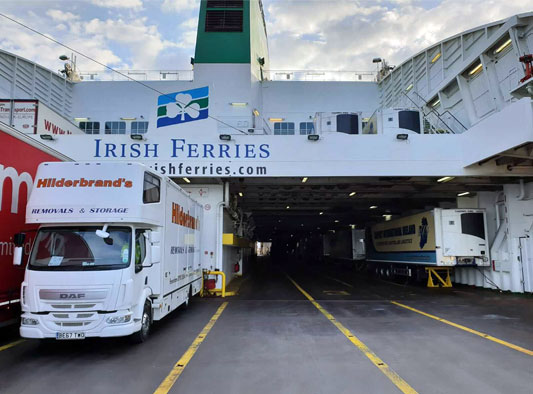
Nearer to home, many of our overseas clients are heading to the Continent by road. For those moves, see our dedicated pages on European removals by road from Kent and removals to France. Our Kent depots are well placed for the Channel crossings, which keeps the UK leg of the journey short.
What our memberships mean for you
We are members of the British Association of Removers and work to the BAR Code of Practice, which holds Trading Standards Approved Code status. We also work to BS EN 12522, the European standard for removal services, and we are registered with The Furniture & Home Improvement Ombudsman. The BAR Advance Payment Guarantee covers inland UK domestic moves, so we will explain clearly at estimate stage how payment and protection work for an overseas job.
To talk through your plans, call our office on 01795 535666, Monday to Friday, 9am to 5pm, or request a quick quote for your overseas removal. Every estimate is free, written and without obligation.
Overseas Removals FAQs
How long does an overseas removal usually take?
It depends on the destination and the method. Road moves to nearby European countries are usually measured in days, while sea freight to more distant countries can take several weeks once you include collection, port handling, the voyage and customs clearance. Groupage takes longer than a dedicated container because we wait for enough goods to fill it. We give you a realistic window at the estimate stage.
What documents will I need to ship my household goods abroad?
Typically you will need a valid passport, evidence of your right to live in the destination country, proof of your new address and a signed, itemised inventory. Some countries ask for additional forms or proof of previous residence. Because the rules vary and are updated from time to time, we recommend checking official government guidance for your destination alongside our advice.
Can I pack my own boxes for an overseas move?
You can for some items, but we usually advise professional packing for long-distance sea freight. Export cartons, heavier wrapping and crates protect goods through repeated handling and changes in humidity. Some customs authorities and insurers also look more closely at owner-packed boxes. A mix often works well, with you packing books and linen while we handle furniture and breakables.
Can you store my belongings in Kent until my new home abroad is ready?
Yes. We collect your belongings, store them in wooden containers in our secure warehouse and ship them when your property abroad is ready. Visits can be arranged by appointment if you need to retrieve or add items. This is particularly helpful when you are renting first or waiting on a purchase in your new country.
Is groupage a good option for a small overseas consignment?
Often it is. Groupage shares container space with other customers heading to the same destination, so you only pay for the space your goods occupy. The trade-off is time, because the container ships once it is full. If you are not in a hurry and are sending part of a household rather than the whole home, groupage is worth considering.