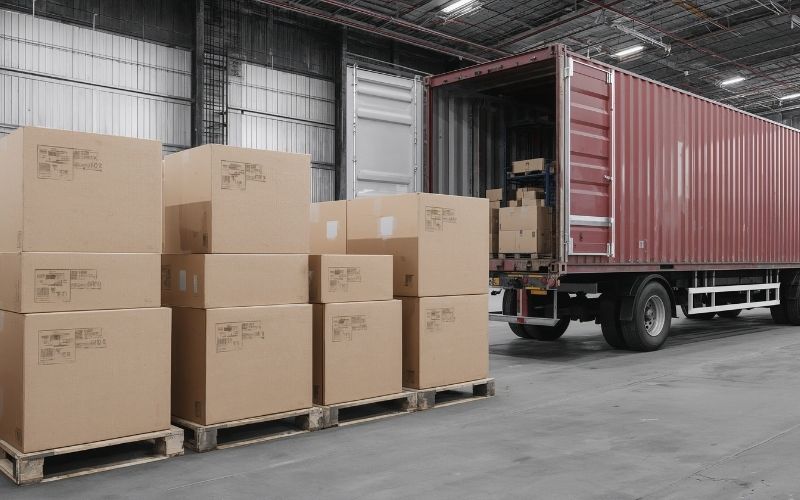
UK long-distance removals
UK Long-Distance Removals: A Complete Guide to Planning a Smooth Move
Moving to another part of the country involves more than loading boxes into a van. Long journeys require careful scheduling, secure packing, reliable transport and clear communication between the customer and removal team.
UK long-distance removals can involve moves between major cities, rural areas, coastal towns or completely different regions. Whether you are relocating from London to Manchester, Birmingham to Edinburgh, Bristol to Newcastle or anywhere else across the UK, planning early can make the process easier and more predictable.
Hilderbrands Removals and Storage can support customers with household removals, packing and storage requirements. A well-organised long-distance move should protect your belongings, minimise delays and give you a clear understanding of what will happen from collection through to delivery.
This guide explains how to prepare, what services may help and what to look for when choosing a long-distance removal company.
What Are UK Long-Distance Removals?
UK long-distance removals involve transporting household or business belongings between locations that sit significantly farther apart than a typical local move.

Long-Distance Moves Require More Coordination
A local move may involve a short drive between properties, while a nationwide relocation can require several hours on the road. Removal teams need to consider loading time, route planning, traffic, rest periods, delivery access and the expected arrival time. Accurate planning helps keep the move organised from start to finish.
Services Can Cover Different Types of Moves
Long-distance removal services can support family homes, flats, student moves, small households and business relocations. Depending on the provider, additional services may include packing, dismantling, reassembly, storage, furniture transport and smaller part-load options. The right service depends on your property, belongings, distance and timetable.
Why Choose Professional Long-Distance Movers?
A long-distance relocation creates more opportunities for delays or packing problems than a short move. Professional support can reduce many of these practical challenges.
Professional Movers Handle the Physical Work
Experienced movers can lift furniture, carry boxes, organise vehicle loading and unload belongings at the destination. This reduces the physical workload for customers and gives the moving team more control over how larger or fragile items travel during a longer journey.
Professional Planning Helps Reduce Delays
Long-distance moves depend heavily on timing. A late start can affect the entire day when the destination sits several hours away. A professional removal company can estimate loading time, plan vehicle requirements and discuss access at both properties before moving day.
Step 1: Confirm Your Moving Dates
Start by deciding when you need to leave your current property and when you can access the new one.
Choose Your Preferred Collection Date
Contact removal companies as soon as your moving date becomes reasonably certain. Summer, weekends, Fridays and school holidays can attract stronger demand. Earlier booking gives you more choice and allows enough time to discuss packing, storage or specialist requirements.
Check Whether Delivery Happens the Same Day
Some long-distance moves can involve same-day collection and delivery, while others may require different arrangements depending on the distance and service. Ask the removal company how your specific route will work and whether the proposed schedule gives enough time for safe loading, travel and unloading.
Step 2: Create a Detailed Moving Inventory
An accurate inventory helps the removal company understand the size and complexity of the job.
List Large Furniture and Appliances
Record sofas, wardrobes, beds, tables, appliances and other major belongings. Tell the removal company about pianos, antiques, large mirrors or awkward furniture. Accurate information helps the team choose suitable vehicle capacity and prepare the right number of movers.
Include Boxes and Storage Areas
Do not forget belongings stored in garages, lofts, sheds or cupboards. These areas can contain a surprising amount of extra volume. Include estimated box numbers where possible so the quotation reflects the actual move rather than only the visible furniture.
Step 3: Declutter Before Packing
Moving unnecessary belongings across the country adds extra work and takes up vehicle space.
Sort Belongings Into Four Groups
Create categories for keep, donate, sell and dispose. Work through one room at a time and make decisions before packing begins. Decluttering reduces the number of boxes and can make unpacking at your new property considerably easier.
Review Bulky Items Carefully
Consider whether older wardrobes, appliances or inexpensive furniture deserve transport space. If replacement makes more financial or practical sense, removing these items before the move can simplify the relocation. Measure large furniture if your new property has narrow entrances or smaller rooms.
Step 4: Pack for Long-Distance Transportation
Belongings travelling several hours need secure packing that can handle loading, road movement and unloading.
Use Strong Boxes for Household Items
Choose sturdy cartons and avoid overloading them. Use smaller boxes for books, tins and other dense items. Larger cartons work better for lighter belongings such as bedding and clothing. Strong packaging helps boxes maintain their shape during handling and stacking.
Protect Fragile Belongings Carefully
Wrap glassware, ornaments, crockery and delicate electronics with suitable materials. Fill gaps inside boxes so contents cannot move freely during transportation. Fragile labels help movers identify vulnerable cartons, but proper internal protection remains more important than the writing on the outside.
Label Boxes by Destination Room
Use labels such as “Kitchen – plates and pans” or “Bedroom 2 – clothes.” Clear room-based labelling helps movers place boxes correctly at the new property and reduces the amount of lifting you need to do after the removal team leaves.
Step 5: Decide Whether You Need Professional Packing
Some customers prefer to pack independently, while others benefit from professional support.
Full Packing Can Save Time
A complete packing service may suit busy households, larger properties or customers facing a tight schedule. Professional packers can prepare belongings systematically and use suitable materials throughout the home. Ask what the service includes before booking.
Fragile-Only Packing Offers More Flexibility
You may choose to pack clothing, books and simple household items yourself while asking professionals to handle mirrors, glassware, artwork or other delicate possessions. This approach can provide specialist support without requiring a full-house packing service.
Step 6: Check Access at Both Properties
Access can affect loading time, delivery time and vehicle planning.
Tell Movers About Parking Restrictions
Explain where the removal vehicle can park and whether permits, loading restrictions or long carrying distances apply. Poor access can slow the move considerably. Give accurate information when requesting your quotation rather than waiting until moving day.
Mention Stairs, Lifts and Narrow Entrances
Tell the company about flats, staircases, lifts, gates and narrow corridors. If access looks particularly difficult, photographs can help the movers understand the layout before arrival. This gives the team more time to plan suitable equipment or additional labour.

Step 7: Prepare an Essentials Bag
Long-distance moving days can involve hours of travel, so keep immediate necessities with you.
Carry Important Personal Items
Keep medication, identification, keys, property documents, wallets, phones and chargers accessible. Avoid packing passports or irreplaceable documents inside the main removal load. You may need them before the vehicle arrives at your destination.
Pack for Your First Night
Prepare clothes, toiletries, towels, basic kitchen items, snacks and cleaning supplies. Long moves can leave you tired when you arrive. An essentials bag or box prevents you from searching through dozens of cartons before you can settle down.
Step 8: Prepare for Collection Day
The removal team should arrive to a property that is ready for loading.
Clear Hallways and Entrances
Move loose belongings, shoes and unnecessary furniture away from carrying routes. Keep children and pets away from loading areas where possible. Clear access helps movers work more efficiently and reduces avoidable obstacles.
Separate Items That Will Travel With You
Place keys, documents, valuables and overnight bags somewhere clearly separate from the removal load. Tell the team these items should stay behind. This simple step helps prevent essential belongings from entering the vehicle accidentally.
Step 9: Load and Transport Belongings Securely
Vehicle organisation matters during longer journeys because movement continues for several hours.
Heavy Items Need Stable Placement
Removal teams usually position larger and stable furniture where it can remain secure without placing unnecessary pressure on lighter belongings. Good loading uses vehicle space efficiently while protecting fragile cartons and vulnerable surfaces.
The Load Should Remain Controlled
Furniture and boxes should not move freely while the vehicle travels. Professional movers organise and secure the load to reduce shifting during braking and cornering. A carefully planned vehicle load gives belongings better protection throughout the journey.
Step 10: Organise Delivery at Your New Home
Good preparation should continue after the removal vehicle arrives.
Direct Furniture to the Correct Rooms
Decide where large pieces should go before unloading starts. Tell movers where to place beds, wardrobes, sofas and tables. Correct placement reduces the need to move heavy furniture again later.
Unpack Essential Rooms First
Start with bedrooms, bathrooms and basic kitchen belongings. Do not try to unpack everything immediately. Creating functional living areas first gives you time to work through less important boxes at a manageable pace.
Storage During UK Long-Distance Removals
Storage can provide useful flexibility when moving dates do not align.
Storage Can Bridge a Gap Between Homes
You may need to leave one property before the next becomes available. A removal provider that offers storage can collect your belongings, store them temporarily and arrange delivery later. This can simplify the process by reducing the number of separate companies involved.
Check Storage Terms Carefully
Ask how storage charges work, how long belongings can remain stored and how redelivery is arranged. Also check access, security and protection terms. If you expect to retrieve items before final delivery, discuss this before booking.
How Much Do UK Long-Distance Removals Cost?
No single price applies to every move because several factors influence the quotation.
Distance and Volume Matter
Longer journeys generally require more travel time and fuel, while larger households need more vehicle space and labour. A small long-distance move may still cost less than a large local relocation, so distance alone does not determine the final price.
Additional Services Affect the Cost
Packing, dismantling, storage, difficult access and specialist handling can influence the quotation. Ask for a written breakdown showing what the service includes. Transparent pricing makes it easier to compare removal companies fairly.
How to Choose the Right Long-Distance Removal Company
The best provider should offer clear communication, realistic planning and suitable services.
Check Long-Distance Moving Experience
Ask whether the company regularly completes moves between different UK regions. Long-distance experience matters because route planning, timing and vehicle management become more important as the distance increases. Read recent customer feedback and look for consistent comments about reliability and communication.
Ask Important Questions Before Booking
Confirm whether the quotation is fixed or estimated, what services it includes and whether packing or storage is available. Ask about fragile items, waiting time, difficult access and protection for belongings. Clear answers help you understand the complete service before committing.
Why Choose Hilderbrands Removals and Storage?
A successful nationwide relocation requires practical planning and dependable support.
A Moving Plan Based on Your Requirements
Hilderbrands Removals and Storage can discuss your property size, destination, belongings and preferred moving dates before the move. Customers can also ask about packing and storage requirements. Accurate information helps create a service that reflects the actual relocation.
Clear Communication Throughout the Process
Long-distance moves work best when both customer and removal team understand the schedule. Hilderbrands Removals and Storage can discuss collection, delivery and access arrangements in advance, helping customers prepare more effectively for moving day.
Why People Trust Hilderbrands Removals and Storage
Trust becomes particularly important when belongings travel several hours away from their original home.
Professional Handling Builds Confidence
Customers want movers who arrive prepared, communicate clearly and handle possessions carefully. A professional removal service should explain its responsibilities and give realistic information about timing, access and available options before work begins.
Tips for Successful UK Long-Distance Removals
Simple preparation can make a major difference.
Follow a Practical Moving Checklist
Book early, declutter, create an inventory and label every box. Keep valuables separately, prepare an essentials bag and check access at both properties. Reconfirm moving details shortly before collection and inform the company quickly if anything important changes.

Frequently Asked Questions
1. How Far in Advance Should I Book UK Long-Distance Removals?
Book several weeks ahead whenever possible, particularly during summer, weekends and school holidays. Early booking gives you more choice and allows time to arrange packing, storage and property access. If your move is urgent, contact removal companies immediately and ask which dates remain available.
2. Are Long-Distance Removals More Expensive Than Local Removals?
They can cost more because longer journeys involve additional travel time, mileage and scheduling. However, property size, volume, access, packing and storage also affect the price. A small nationwide move may cost less than a large local relocation, so request a quotation based on your actual requirements.
3. Can I Use Storage During a Long-Distance Move?
Yes. Storage can help when your collection and delivery dates do not match. It can also support downsizing, renovation or temporary accommodation. Ask about security, access, charges, storage duration and redelivery before booking.
4. What Should I Keep With Me During a Long-Distance Move?
Keep identification, property documents, medication, keys, phones, chargers, wallets and valuables accessible. Pack toiletries, clothing, snacks and first-night essentials separately. Avoid placing irreplaceable personal documents inside the main removal vehicle where possible.
5. How Should I Prepare Furniture for Long-Distance Transportation?
Empty suitable furniture, secure loose components and discuss dismantling with your removal company where necessary. Protect vulnerable surfaces and tell movers about unusually heavy, fragile or awkward pieces. Providing accurate information before moving day allows the team to plan suitable equipment and handling.
Final Thoughts
Successful UK long-distance removals depend on preparation, accurate information and reliable transport.
Start planning early, create an inventory and declutter before packing. Use sturdy boxes, protect fragile belongings and label everything according to its destination room. Keep valuables, documents and first-night essentials with you.
Check access at both properties and give the removal company complete information about stairs, parking, lifts and large furniture. If property dates do not match, storage can provide practical flexibility.
When comparing removal companies, do not focus only on the lowest price. Look at experience, reviews, communication, packing options, storage and the clarity of the written quotation.
Hilderbrands Removals and Storage can support customers planning moves between locations across the UK with practical removal, packing and storage options.
With careful preparation and dependable professional support, a long-distance move can become a structured, manageable process rather than an exhausting logistical challenge.
Faversham: 01795 535666
Canterbury: 01227 463435
Sandwich: 01304 273087
Sittingbourne: 01795 535666