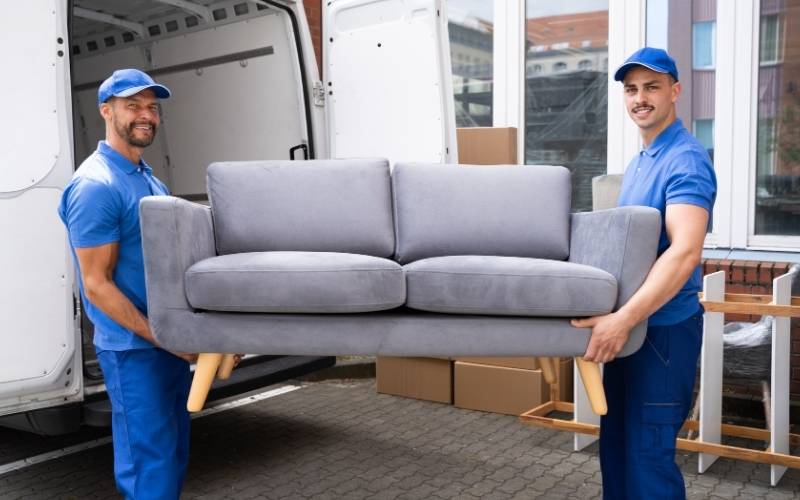
How do movers pack furniture in the truck before moving it?
Moving house is exciting, but one of the biggest challenges is ensuring your belongings travel safely. Packing furniture into a truck isn’t just about squeezing everything in; it’s a skill that professionals have mastered through experience and planning. If you’ve ever wondered how do movers pack furniture in the truck before moving it?, this guide will give you a clear picture of the process. At Hilderbrands Removals and Storage, we use proven techniques to protect your items, maximise space, and minimise stress on moving day.
Why Proper Packing Matters
Correct packing is more than convenience—it’s about safety, efficiency, and peace of mind. Without careful organisation, items can shift, collide, or even tip over during transit. Professional movers prioritise three things:
-
Protecting belongings: Furniture like sofas, wardrobes, and dining tables often carries both financial and sentimental value. Proper packing prevents scratches, dents, and breakages.
-
Maximising space: Trucks have limited capacity. Efficient packing ensures everything fits without overloading.
-
Safe transport: Even weight distribution reduces risks on the road and makes unloading easier.
By understanding the process movers use, you’ll see how a structured approach makes moving far smoother.
Preparing Furniture Before Packing
Disassemble Large Items
Movers begin by taking apart bulky furniture. Tables have their legs removed, bed frames are dismantled, and modular sofas are separated into sections. Smaller parts are bagged and labelled to make reassembly simple at your new home. This step not only saves space but also reduces pressure on joints that could weaken in transit.
Clean and Protect Surfaces
Furniture is wiped down to remove dirt or dust that might cause scratches when wrapped. Protective covers are then applied—blankets for wooden items, bubble wrap for glass, and stretch film for upholstered pieces. At Hilderbrands, we give special attention to delicate surfaces such as polished wood or mirrored glass, ensuring they remain pristine.

Measure and Plan
Movers often measure furniture and doorways to avoid tricky situations. Large wardrobes or corner sofas may need tilting, partial disassembly, or creative manoeuvring through tight hallways. Careful planning here saves time and prevents accidents later.
Tools and Materials Movers Use
Professional movers don’t rely on brute force alone. They bring specialist equipment to make the process safe and efficient:
-
Dollies and hand trucks: These wheeled tools make lifting and moving heavy bookcases, fridges, or dining tables manageable.
-
Ratchet straps and ropes: Used to secure items to the truck’s anchor points, preventing sliding or tipping.
-
Furniture blankets: Thick, padded covers that shield wooden and upholstered furniture from scratches.
-
Foam padding and corner guards: Protect fragile edges on items like cabinets or glass-fronted units.
-
Shrink wrap: Keeps drawers shut and upholstery safe from dust or moisture.
With the right gear, movers can handle even the heaviest or most fragile items safely.
How Do Movers Pack Furniture in the Truck Before Moving It?
Step 1: Load Heavy Items First
Movers begin by placing the heaviest and bulkiest pieces—sofas, wardrobes, appliances—at the back of the truck against the walls. This creates a solid foundation and stops lighter items from being crushed. For example, a sofa may be stood upright to save space and then strapped securely.
Step 2: Stand Mattresses and Box Springs Upright
Mattresses and box springs are placed vertically to conserve space. They also act as soft barriers between hard furniture pieces, adding an extra layer of protection.
Step 3: Distribute Weight Evenly
Balance is crucial. Movers spread heavy items across the truck’s floor, avoiding one side being overloaded. For example, a chest of drawers on the left might be countered with a washing machine on the right. This ensures the truck handles safely during the journey.
Step 4: Stack Lighter Furniture on Top
Once the base is in place, lighter pieces—chairs, small tables, bedside cabinets—are stacked above sturdier items. Padding is placed between layers to stop scratching and absorb vibrations.
Step 5: Secure Furniture with Straps
After each layer is arranged, ratchet straps are used to tie items to the truck’s frame. These straps hold furniture tightly in place, even on bumpy roads. Nothing is left loose, as shifting weight can damage items and make driving hazardous.
Step 6: Fill Gaps with Smaller Items
Cushions, rugs, and even boxes of soft items are used to fill gaps. These act like shock absorbers, preventing movement and protecting fragile surfaces. Not only does this make the load more secure, but it also maximises every inch of available space.
Tips for Packing Furniture Like a Pro
-
Label everything: Especially disassembled parts, screws, or bolts. A little organisation now saves hours later.
-
Use quality packing materials: Sturdy blankets, heavy-duty bubble wrap, and strong straps provide the best protection.
-
Wrap fragile items separately: Mirrors, glass tops, or delicate woodwork need their own layers of padding.
-
Sketch a truck layout: Planning before loading prevents wasted time shifting items around.
-
Hire professionals: While DIY is possible, trained movers pack faster, safer, and more efficiently.
Common Mistakes to Avoid
Overloading the Truck
Cramming too much in can put pressure on fragile items and destabilise the load. Movers always leave enough breathing space for safety.
Skipping Protective Covers
Unwrapped wooden furniture can rub against other surfaces, causing scratches. Blankets and padding should never be skipped.
Poor Weight Distribution
Placing all heavy items on one side makes the truck harder to control. Even weight distribution is essential for safe travel.
Forgetting to Secure Items
Loose items shift during transit, causing damage and accidents. Everything must be tied down properly with straps.

Why Choose Hilderbrands Removals and Storage?
At Hilderbrands, we don’t just move items—we protect memories and investments. Here’s what sets us apart:
-
Expert techniques: Our trained team uses proven packing strategies to keep furniture safe.
-
High-quality materials: From blankets to straps, we use only reliable supplies.
-
Tailored service: Every move is unique, so we customise our packing and loading to fit your needs.
-
Stress-free experience: With years of experience, we handle the heavy lifting while you focus on settling in.
FAQs About Packing Furniture for Moving
How do movers prevent damage in the truck?
By wrapping items in blankets or bubble wrap, securing them with straps, and filling gaps with soft materials.
Can I prepare furniture before the movers arrive?
Yes! Disassembling large items and wrapping them in basic protective materials speeds up the process.
What do movers load first?
Heavy, sturdy items like sofas, fridges, and wardrobes go in first, forming the base of the load.
What if furniture doesn’t fit in the truck?
Movers plan layouts in advance and may further disassemble items. If needed, multiple trips are arranged.
How long does packing a truck take?
For an average household, 2–4 hours. The exact time depends on the size of the property and the number of movers.
Conclusion
So, how do movers pack furniture in the truck before moving it? The process involves careful preparation, strategic loading, and expert use of tools. Furniture is cleaned, wrapped, and dismantled where necessary, then loaded in order—heavy items first, lighter items stacked above, and gaps filled with smaller pieces. Straps keep everything secure, while weight distribution ensures safe travel.
At Hilderbrands Removals and Storage, we bring precision and care to every move. Whether you’re relocating a flat, a family home, or an office, our team ensures your furniture arrives safely and securely. Ready for a stress-free move? Contact us today for a free quote and let us handle the hard work while you enjoy the excitement of your new home.
Hilderbrands Removals & Storage