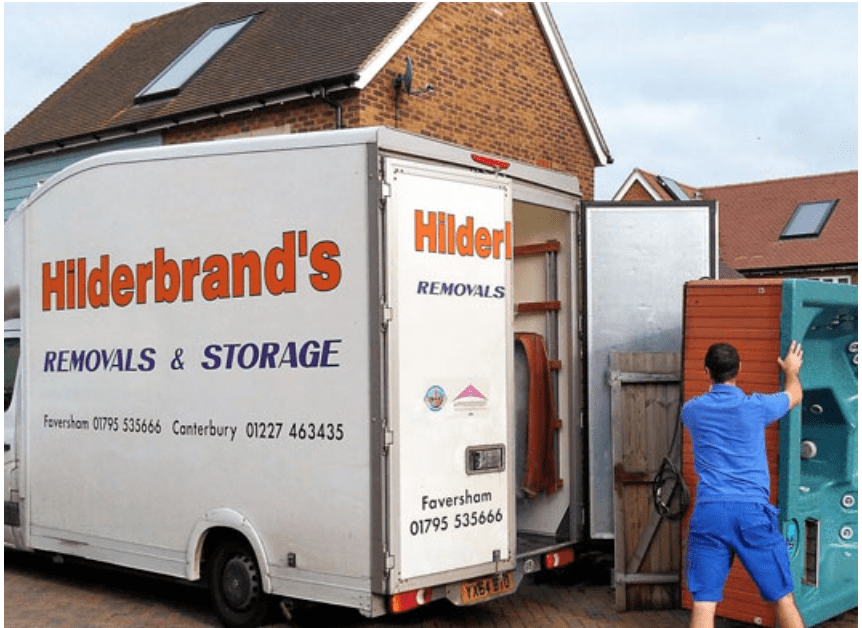
Office removal company Sittingbourne
Office Removal Company Sittingbourne: Professional Business Relocation Services
Relocating an office involves much more than moving desks, chairs and boxes. A business must protect valuable equipment, organise employees, manage access, meet deadlines and return to normal operations as quickly as possible.
Choosing an experienced Office Removal Company Sittingbourne can make that process far more manageable. A professional removal team can coordinate packing, loading, furniture handling, transport, storage and delivery while your employees continue focusing on their responsibilities.
Hilderbrands Removals and Storage supports businesses that need an organised approach to office relocation. Whether you are moving a small workplace, expanding into larger premises or relocating to another part of Kent or the UK, detailed preparation can reduce unnecessary downtime and confusion.
The best office move starts with a clear plan based on your premises, equipment, schedule, access and business priorities.
Why Choose an Office Removal Company Sittingbourne?
Business relocations create practical challenges that differ from residential moves. Timing, technology, staff coordination and building access can all influence how smoothly the relocation progresses.

Professional Movers Reduce the Physical Workload
Employees should not need to spend valuable working time carrying filing cabinets, desks or heavy office furniture. Professional movers can manage these physical tasks with appropriate equipment and coordinated handling. This helps your staff concentrate on customers, projects and essential business responsibilities while the relocation team manages transportation.
Careful Planning Can Reduce Business Downtime
Every hour of unnecessary disruption can affect productivity. An experienced removal company can help create a timetable that reflects your operational needs. Where practical, businesses may arrange evening, weekend or phased moves so essential departments can continue working while other areas prepare for relocation.
What Does an Office Removal Service Include?
Office removal services can vary considerably, so discuss your requirements before requesting a final quotation.
Furniture Removal and Placement
Commercial movers can handle desks, chairs, meeting tables, filing cabinets and storage units. Some furniture may require dismantling before transportation. When the team reaches your new premises, clear room plans and labels can help movers position furniture correctly and reduce the amount of rearranging your staff must complete later.
Packing and Unpacking Support
Professional packing can save staff time and improve organisation. Movers can prepare suitable office items using strong boxes and protective materials. Businesses may choose complete packing or request help only with fragile equipment and difficult items. Always confirm whether unpacking forms part of the service before booking.
Storage During Your Relocation
Temporary storage can help if your old lease ends before the new office becomes ready. It can also support a phased relocation or refurbishment. A removal company that offers storage can coordinate collection, storage and later delivery, reducing the number of separate suppliers that your business needs to manage.
Step 1: Assess Your Current Office
A detailed assessment helps you understand the true size of the relocation and gives the removal company accurate information.
Create an Office Inventory
List desks, chairs, filing cabinets, computers, monitors, printers, meeting-room furniture and other workplace equipment. Include items stored in cupboards or separate rooms. Mark unusually heavy, fragile or valuable objects clearly so your chosen removal team can consider any additional handling requirements before moving day.
Decide What Does Not Need to Move
Relocation provides a useful opportunity to remove broken furniture, unused equipment and outdated supplies. Decide what to retain, recycle, sell, donate or dispose of responsibly. Sensitive documents and data-bearing equipment require appropriate internal procedures, so make secure disposal decisions before general clearance begins.
Step 2: Build a Realistic Moving Schedule
A business relocation should fit around important deadlines, customer activity and employee responsibilities.
Choose the Right Moving Date
Review workload, staff availability and building access before choosing your preferred date. Avoid major business deadlines where possible. If your organisation has a quieter period, moving then may reduce disruption. Discuss your preferred schedule with the removal company early so you can secure suitable availability.
Consider Moving in Phases
Larger businesses may benefit from relocating departments separately. For example, one team can move while another continues operating. Phased relocation can reduce downtime, but it requires careful coordination. Create clear priorities so everyone understands which departments, equipment and documents need to move first.
Step 3: Prepare Employees for the Move
Staff communication can determine how organised the move feels on the day.
Give Employees Clear Instructions
Tell employees when they need to clear desks, pack personal belongings and label equipment. Explain what the professional movers will handle and what employees remain responsible for preparing. Clear deadlines prevent staff from packing important workstations while removal teams wait to begin loading.
Share Information About the New Office
Provide employees with seating plans, access arrangements and important information about the new premises before moving day. Knowing where departments, meeting spaces and essential facilities will sit helps employees settle more quickly and reduces confusion when they arrive at the new workplace.
Step 4: Organise and Label Everything
Clear labelling becomes especially valuable during an office relocation because multiple departments may own similar-looking equipment and boxes.
Label Boxes by Department and Room
Use labels such as “Finance – Room 3” or “Marketing – Storage.” Include the destination room rather than only describing the contents. This allows movers to place boxes directly where employees need them and prevents teams from carrying heavy cartons around the building after delivery.
Number Important Equipment
Consider assigning numbers to computers, monitors, chairs or workstations when relocating a larger business. Match those numbers to a simple inventory or floor plan. This system helps IT staff and employees identify the correct equipment and can make workstation setup far more efficient.
Step 5: Protect Computers and Office Equipment
Technology often represents one of the most valuable and operationally important parts of an office move.
Back Up Important Business Data
Create secure backups before disconnecting computers or servers. The removal team can handle physical transportation, but your IT staff or technology provider should manage data security and technical procedures. A reliable backup protects your organisation if equipment develops a problem before, during or after relocation.
Pack Electronics Carefully
Use suitable protection for monitors, computers, printers and other electronics. Label cables and keep accessories with the correct equipment. Photograph complicated cable arrangements where useful. Tell the removal company about sensitive, unusually expensive or specialist technology before moving day so the team can plan handling appropriately.
Step 6: Prepare Both Premises
Access problems can waste valuable time if your business discovers them only when the removal vehicle arrives.
Check Parking and Loading Access
Confirm where the removal vehicle can stop at both properties. Tell your Office Removal Company Sittingbourne about loading restrictions, narrow roads, gated access or long carrying distances. If you need permission from building management or another authority, arrange it early rather than relying on same-day solutions.
Confirm Lift and Building Arrangements
Check whether service lifts remain available during your chosen moving hours. Ask building management about security procedures, access cards and loading restrictions. If your move takes place outside normal hours, confirm that reception, lifts and loading areas will still operate when the removal team needs them.
Step 7: Organise Moving Day Responsibilities
Assign clear roles so employees and movers know who can make decisions.
Nominate One Main Contact
Choose one staff member to communicate with the removal team. This person should understand the moving plan and have authority to answer practical questions. A single point of contact prevents conflicting instructions and keeps communication clearer throughout loading, transport and delivery.
Keep Critical Items Accessible
Do not place essential documents, keys or equipment inside ordinary boxes without a clear plan. Keep items that your business needs immediately after relocation clearly identified. Tell the removal team which equipment should receive priority during unloading so staff can restore essential operations first.
Step 8: Set Up Your New Office Efficiently
The relocation does not finish when the vehicle arrives at your destination.
Place Furniture According to a Floor Plan
Give the moving team a simple floor plan before unloading begins. Clear instructions allow them to position desks, cabinets and meeting-room furniture correctly. This reduces double handling and saves employees from trying to reposition heavy furniture after the removal team leaves.
Restore Essential Work Areas First
Prioritise reception, IT, customer service or other business-critical areas according to your organisation’s needs. Set these sections up before less urgent spaces. A clear priority order can help employees return to productive work while other departments continue unpacking and arranging their new environment.
Tips for a Smooth Office Relocation
Preparation can make even a complicated move easier to manage.
Use a Commercial Moving Checklist
Start early, create an inventory and agree on responsibilities. Label boxes, back up data and communicate your timeline with employees. Confirm parking, lifts and access before moving day. Review the plan again shortly before the move so you can resolve changes before they affect your schedule.
Build a Contingency Plan
Property access, technology setup or delivery timing may not always follow the original plan. Decide how your business will communicate with customers and employees if delays occur. Keep essential contact details and business information accessible so you can maintain basic operations if the relocation takes longer than expected.
How Much Does an Office Move Cost?
Office removal costs depend on the scope and complexity of the relocation rather than one standard rate.
Office Size and Volume Affect Pricing
The number of desks, boxes, equipment and furniture influences labour and vehicle requirements. A small office with minimal furniture needs fewer resources than a multi-floor workplace containing specialist equipment. Provide an accurate inventory so removal companies can calculate a more realistic quotation.
Additional Services Can Affect the Quote
Professional packing, storage, dismantling, evening work, difficult access and specialist handling may influence the final price. Ask for a written breakdown rather than accepting a vague total. A detailed quotation helps your business budget accurately and compare providers on a like-for-like basis.
How to Choose an Office Removal Company Sittingbourne
Do not make your decision using price alone. Reliability and planning matter just as much during a commercial move.
Look for Relevant Commercial Experience
Ask whether the provider regularly handles office and business relocations. Commercial moves create different challenges from household moves, particularly around IT equipment, staff coordination and strict schedules. Relevant experience can help the company anticipate common problems before they disrupt the relocation.
Read Recent Customer Reviews
Look for patterns in recent feedback relating to communication, punctuality, care and problem-solving. Do not rely solely on a headline star rating. Reviews describing commercial relocations or more complicated moves can provide valuable insight into how the company performs under realistic business conditions.
Ask Clear Questions Before Booking
Ask what the quotation includes, how many movers will attend, what vehicle the company will use and how the team will manage your timetable. Confirm insurance or liability arrangements, packing, storage, cancellation terms and possible additional charges. Keep important answers in writing.
Why Choose Hilderbrands Removals and Storage?
Businesses need a moving provider that understands the importance of organisation and communication.
Relocation Support Based on Your Business
Hilderbrands Removals and Storage can discuss your office size, furniture, destination, schedule and access requirements before moving day. Customers can also ask about packing and storage support. Accurate information allows the team to prepare around the practical requirements of the relocation.
Clear Communication From Planning to Delivery
A business should understand its moving schedule, responsibilities and agreed services before the team arrives. Hilderbrands Removals and Storage focuses on practical communication so customers can prepare employees, equipment and premises around a clearer relocation plan.
Why Businesses Trust Hilderbrands Removals and Storage
Trust develops when a removal company combines organised planning with professional handling.
Reliability Matters During a Business Move
Businesses want movers who arrive prepared, treat workplace property carefully and communicate when circumstances change. A professional service should provide realistic information rather than vague promises. Clear arrangements help managers make informed decisions and reduce uncertainty throughout the relocation.
Office Removal Company Sittingbourne: Plan With Confidence
The most successful office moves begin long before moving day.
Build Your Plan Around Business Continuity
Review your premises, create an inventory, organise staff and protect technology before transportation begins. Choose a removal provider that understands your priorities and communicates clearly. Good planning helps your organisation manage the physical relocation without losing focus on employees, customers and ongoing operations.

Frequently Asked Questions
1. How Far in Advance Should I Book an Office Removal Company in Sittingbourne?
Contact an Office Removal Company Sittingbourne several weeks before your preferred date where possible. Larger relocations may require surveys, packing, access arrangements and phased planning. Earlier booking also gives you more choice of dates and enough time to coordinate employees, landlords, building managers and internal IT requirements.
2. Can an Office Removal Company Move Computers and Equipment?
Yes, commercial movers can transport many computers, monitors and office devices with suitable preparation. Back up essential data before the move and let your IT team manage specialist technical work. Label cables clearly and tell the removal company about sensitive or expensive equipment so it can prepare suitable physical handling.
3. Can I Move My Office Outside Normal Working Hours?
Many commercial movers can offer evening or weekend relocations depending on availability. Out-of-hours moving may reduce disruption, but confirm access with landlords or building managers first. Make sure lifts, security systems, loading areas and parking remain available during your proposed moving period.
4. Should I Use Storage During an Office Relocation?
Storage can help when lease dates do not match, refurbishment delays occupation or your business needs a phased move. Ask about storage duration, security, access and redelivery. Combining removal and storage through one provider can also simplify transport arrangements during the transition.
5. How Can I Reduce Disruption During an Office Move?
Plan early, create a moving schedule and communicate clearly with staff. Label boxes by department, back up important data and identify business-critical equipment. Consider phased or out-of-hours moving where practical. Working with an experienced Office Removal Company Sittingbourne can also reduce the physical workload and help keep the relocation organised.
Final Thoughts
A successful office relocation depends on preparation, communication and a clear understanding of what your business needs.
Start by creating an accurate inventory and deciding what should move, enter storage or leave the business completely. Build a realistic schedule around staff, customers and important deadlines. Protect technology, label equipment clearly and check access at both premises.
When choosing an Office Removal Company Sittingbourne, compare experience, recent reviews, available services and quotation transparency rather than focusing only on the lowest price.
Hilderbrands Removals and Storage can support businesses that need practical help with office relocation, packing, transport and storage. Discuss your premises, schedule and equipment before booking so the moving plan reflects the actual requirements of your organisation.
With careful preparation and dependable professional support, your business can reduce unnecessary downtime, protect workplace assets and settle into its new premises more efficiently.
Faversham: 01795 535666
Canterbury: 01227 463435
Sandwich: 01304 273087
Sittingbourne: 01795 535666